


Kingstech x World

Kingstech is the largest World operator in Singapore, with a network of 13 physical locations across the island. We provide end-to-end support for World services, combining digital convenience with on-the-ground assistance. Our dedicated Helpdesk team is available to handle enquiries efficiently, while our trained staff at each location are ready to assist users in person. With a strong operational presence and a commitment to reliable service, Kingstech ensures that every user experience is smooth, secure, and well-supported.
Singapore's Largest World Operator
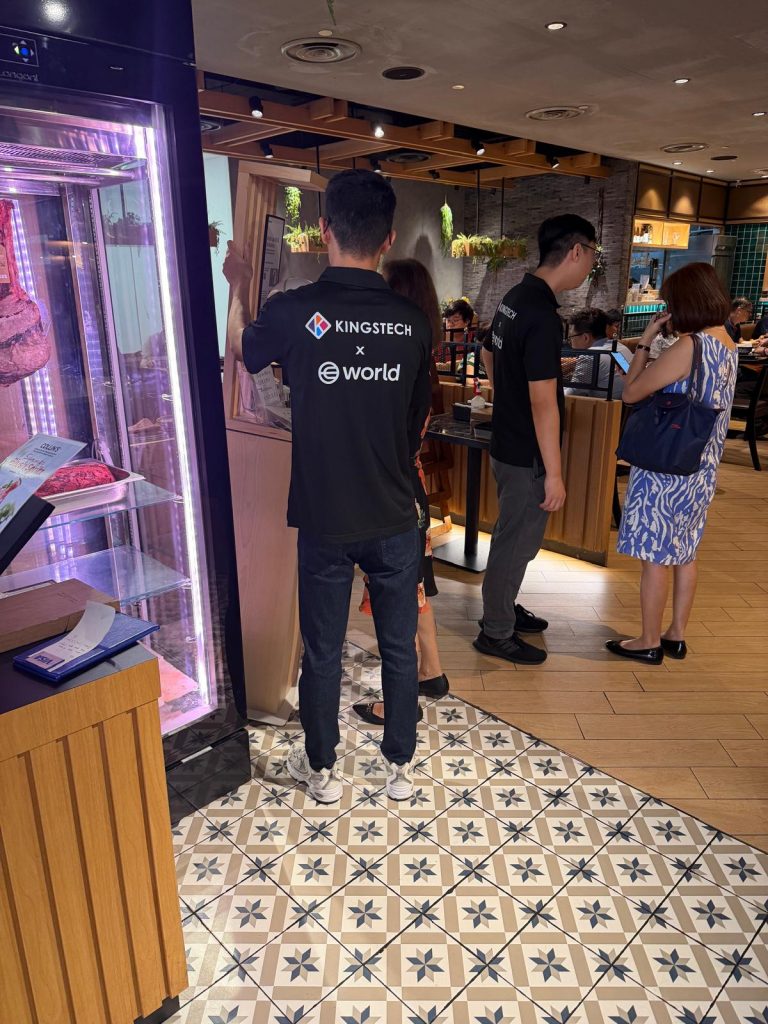
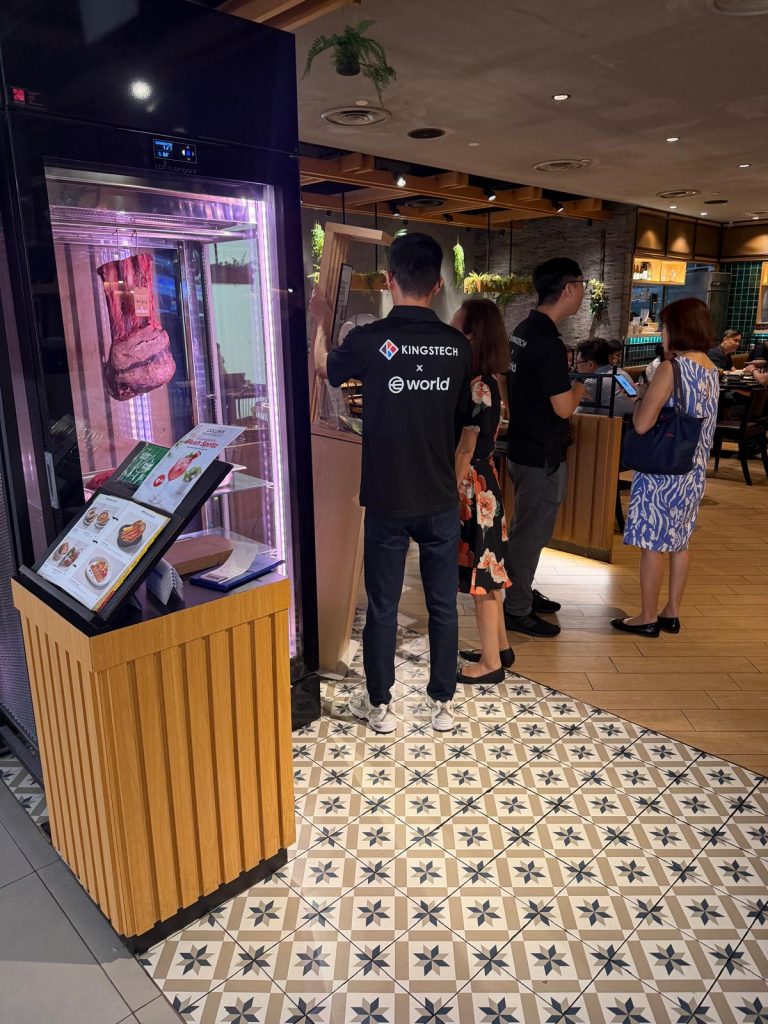
Kingstech operates the largest World network in Singapore, with 13 locations strategically placed across the island. Our strong presence ensures easy access and consistent service for users wherever they are.
Reliable Helpdesk Support
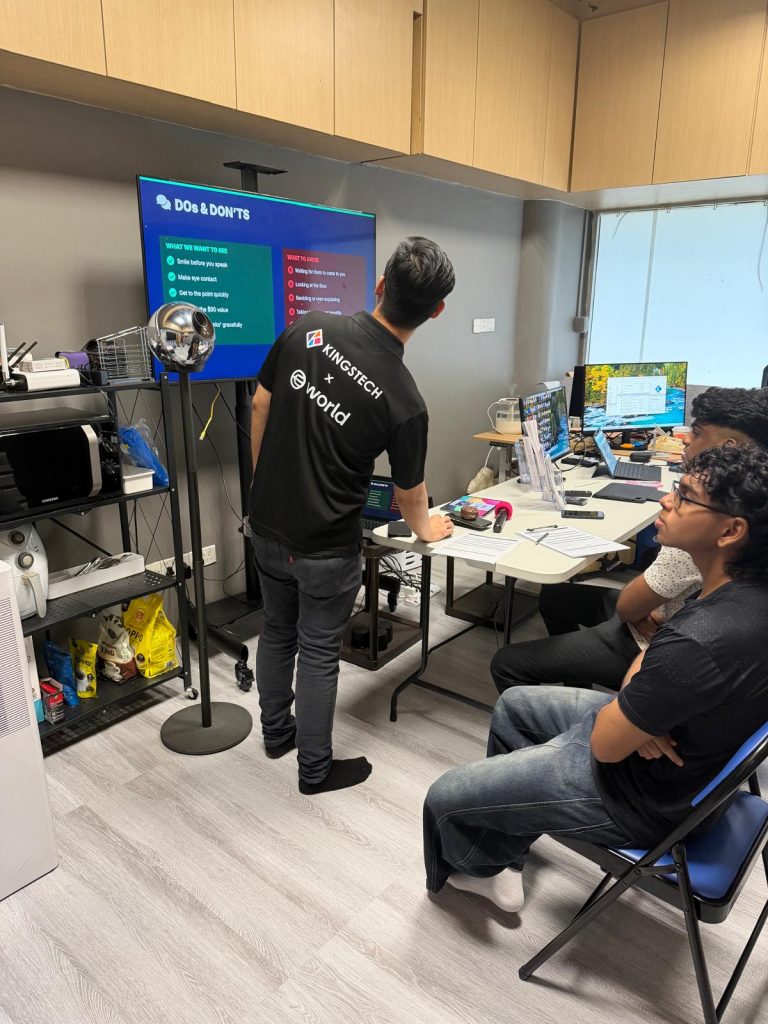
Our dedicated Helpdesk team provides timely and professional assistance for all World-related enquiries. From technical issues to general support, we ensure every request is handled efficiently.
On-Site Support at Every Location
Beyond digital support, our trained staff are available at each location to assist users in person. We combine online and physical support to deliver a seamless and reliable experience.
About World ID
Use World ID to prove you are a unique human, without revealing anything else about you.
World ID ensures that dating, ticket sales, games, online communities and many other internet services advantage humans first – not bots or fake accounts.
“ Universal Proof of Human ”
Proof of Human
Allow only one account per person to prevent multi-accounting and make bans meaningful.
Deep Face
Protects against malicious deepfakes and impersonation online.
Face Auth
A private 1:1 face comparison that ensures only the person who verified their World ID at an Orb can use it.
Credentials
Privately proving specific credentials to third parties without revealing any personal information.
Universal proof of human
“ Introducing World ID 4.0 ”
World ID 4.0
World ID is a privacy-preserving proof of human protocol: designed to enable World’s mission of creating a real human network to accelerate every human in the age of AI. Since the protocol’s launch in 2023, nearly 18 million unique people have verified their humanity with World ID, bringing the network to true global operation. At that scale, however, expectations of production-grade behavior begin to collide with earlier design constraints.
In particular, a truly robust proof of human protocol must withstand key compromise, support recovery, prevent long-term linkability, and further decentralize as usage grows. Addressing these needs while preserving the guarantees of World ID 3.0 requires protocol-level updates.
Taken together, this motivates the next major protocol upgrade: World ID 4.0. In this architecture, a World ID is no longer a single long-lived secret, but an abstract account in a public registry that can authorize multiple authenticators, rotate keys, and recover if access is lost. At the same time, the protocol strengthens anonymity by enforcing true one-time-use nullifiers. The result is a protocol that is more secure, more flexible, and better suited to support a wider range of applications — all without compromising privacy.
Why a new Protocol version?
Rotation
In case of compromise, the secret key can be rotated by revoking the old one.
Enabling recovery
Being able to recover a World ID in case of loss of all Authenticators.
Granular permissions
In the future, granular controls and permissions for different Authenticators.
Enabling further decentralization (a core requirement for proof of human)
When a World ID is no longer bound to a single app, new apps or wallets (named Authenticators) can emerge to hold and use a World ID. What’s more, this accomplishes portability and interoperability between Authenticators because transitioning between them or using multiple ones is now possible. The net result is providing users of the protocol with increased decision power for which Authenticator to trust, including allowing the user to change their mind later.
Authenticator plurality
Beyond increasing resilience of the Protocol, entirely new classes of Authenticators will now be possible. For example, Authenticators that rely on secure hardware modules, or Authenticators which use more widespread identification mechanisms.
Reduced attack scope
The scope of potential past activity that could be compromised is significantly reduced, even under coercion. If an attacker gains access to a user’s unrevoked secret, the attacker cannot de-anonymize past activity without collusion of other parties.
Case Study
Zoom: real-time deepfake protection for meetings
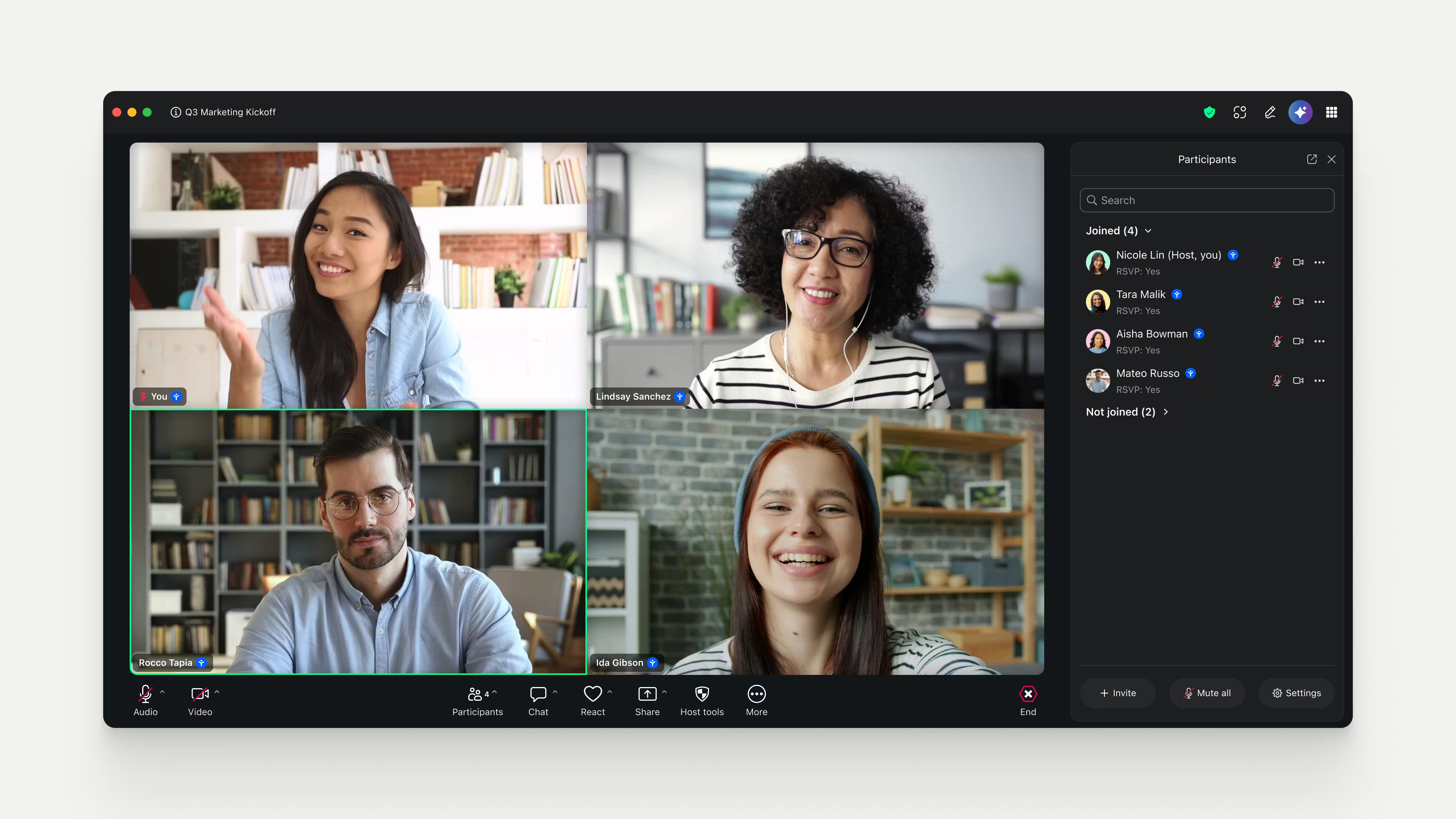
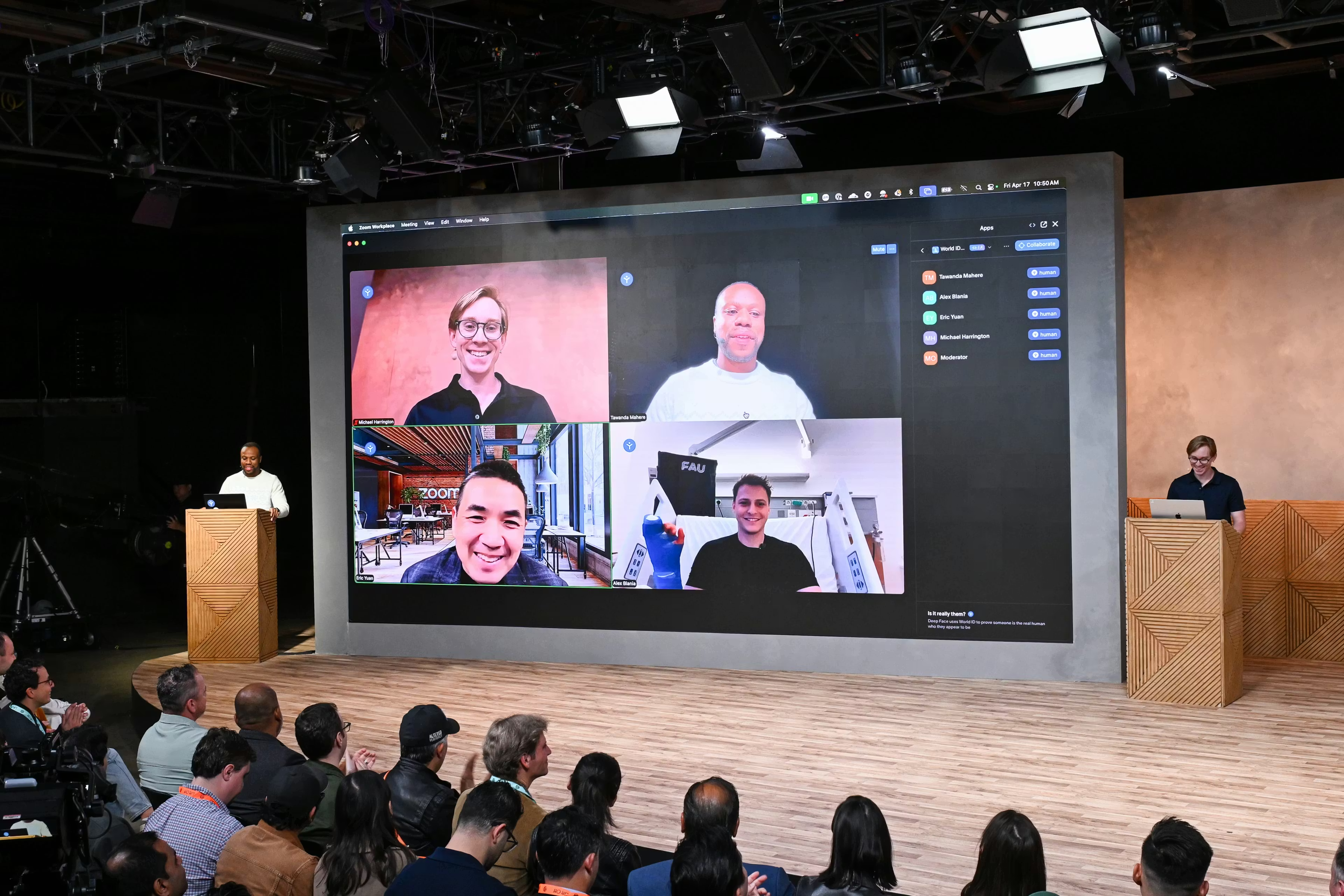
Zoom is the first communications platform to offer integration of Deep Face directly into its meetings product. The integration delivers a hardware-backed root of trust through a three-way match: the cryptographically signed image taken when the participant originally verified at an Orb, a real-time Face Auth liveness selfie taken on the participant’s device, and the live video frame that other participants see on screen. When all three match, the result is confirmation, with high assurance, that the person on the call is the real, verified human who is expected. The integration analyzes video only, not audio.
The integration includes several modes. Hosts can enable a Deep Face Waiting Room, requiring every participant to confirm that they are a real human before joining, or any participant can request an on-demand Deep Face check of another participant mid-call. Upon confirmation, a Verified Human badge appears in the participant tile of the person who has completed a Deep Face check, improving the security of the meeting. VanEck Funds, a global investment manager, is participating in a limited beta test of the Deep Face integration with Zoom.
The privacy model is built for enterprise adoption, with Zoom receiving only a high-assurance signal that the expected person is present.
Docusign: proof of human for agreements that matter
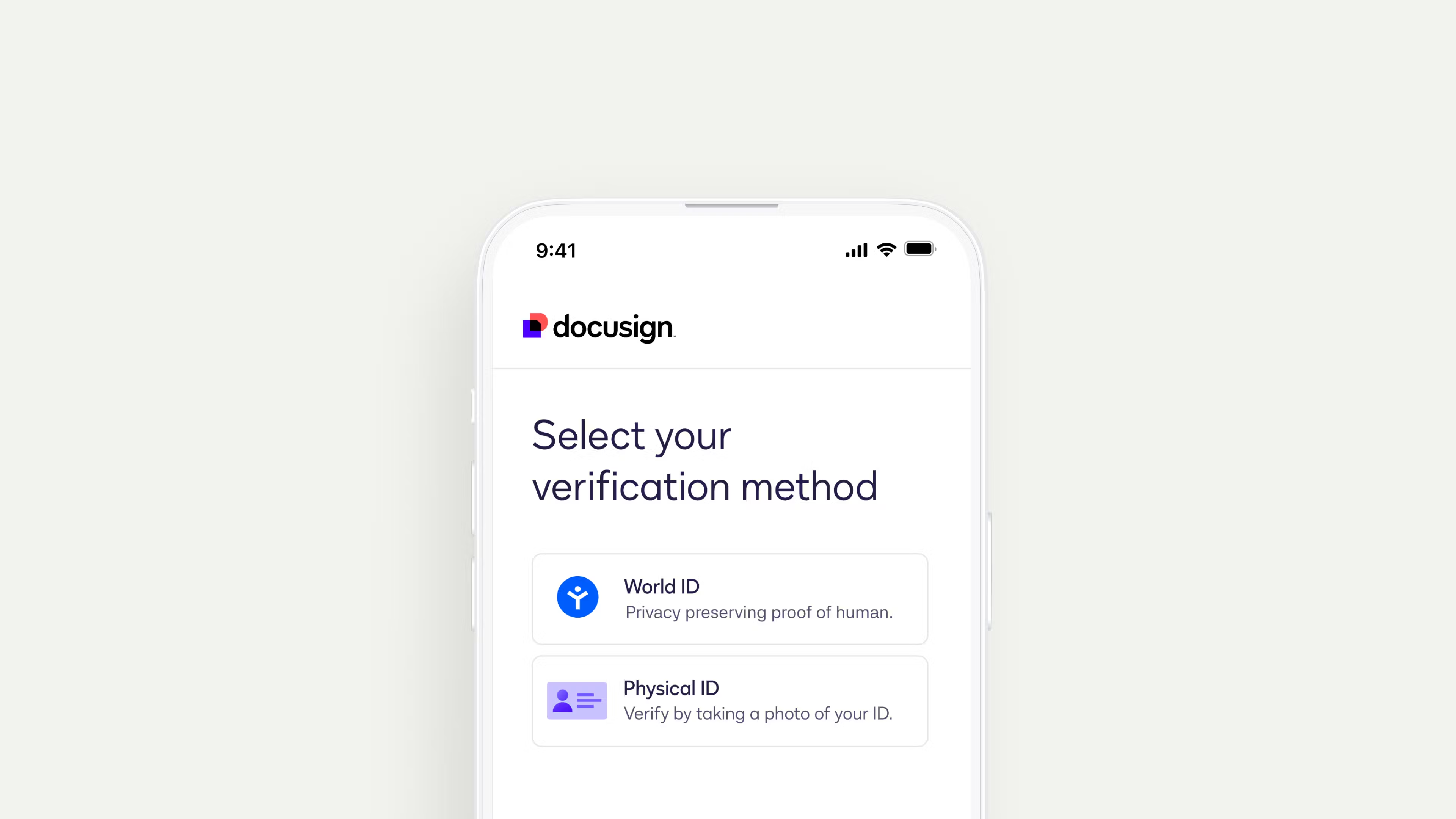
Docusign makes signing and managing agreements easier for signers and businesses. Docusign ensures people signing are accountable for their agreement through a variety of methods: SMS codes, liveness checks, biometric identification, and other methods. As workflows become increasingly automated and agent-assisted, businesses may want an option to verify that a human is authorizing specific actions.
That’s why Docusign and World are teaming up to bring proof of human into the document signing trust model. Through World ID, signers can confirm specific attributes about themselves, proving they are human and not a bot. This establishes a foundation for human continuity in agreement workflows – giving actions, whether performed directly or delegated, ties back to a verified human.
Outtake: proof of human for enterprise email
Outtake Verify for Email, powered by World ID, brings human continuity to enterprise email. Outtake’s browser extension cryptographically signs outgoing messages with proof that a verified human pressed send, on a specific device, from a specific account. Recipients see a Verified badge confirming both the sender’s authenticity and the message’s integrity. Tools for Humanity has deployed Outtake Verify across its global workforce, with teams in finance, recruiting and executive communications using it for sensitive outbound messages.
Need Help with World?
Raise a Helpdesk Ticket and our team will assist you shortly.
